A tree-sit protest & data-centers
Lessons from Julia Butterfly Hill's 'Legacy of Luna'

The rapidly growing national ire over construction of unwanted data centers across the country is reminiscent of the tsunami of protests that erupted decades ago to stop the Vietnam War. My email most mornings is brimming with links to stories and videos about citizens storming city councils, boards of supervisors, elected legislatures, planning commissions and other agencies.
The public is demanding answers about proposed data centers. In an increasing number of cases, the demand is to reverse already-made decisions to allow data centers to be built, decisions often made in secret or with vague, woefully inadequate public notice.
The woes caused by these mostly AI-needs-driven installations are manifold: Massive water consumption, hogging of electric power, concomitant associated spikes in household electric bills and well-documented maddening noise 24/7 - just to name a few of the issues riling the citizenry.
Citizen complaints are being countered - falsely - by data center cheerleaders claiming there will be a bonanza of new local jobs and increases in tax revenue for local governments. Big nope to both of those whoppers.
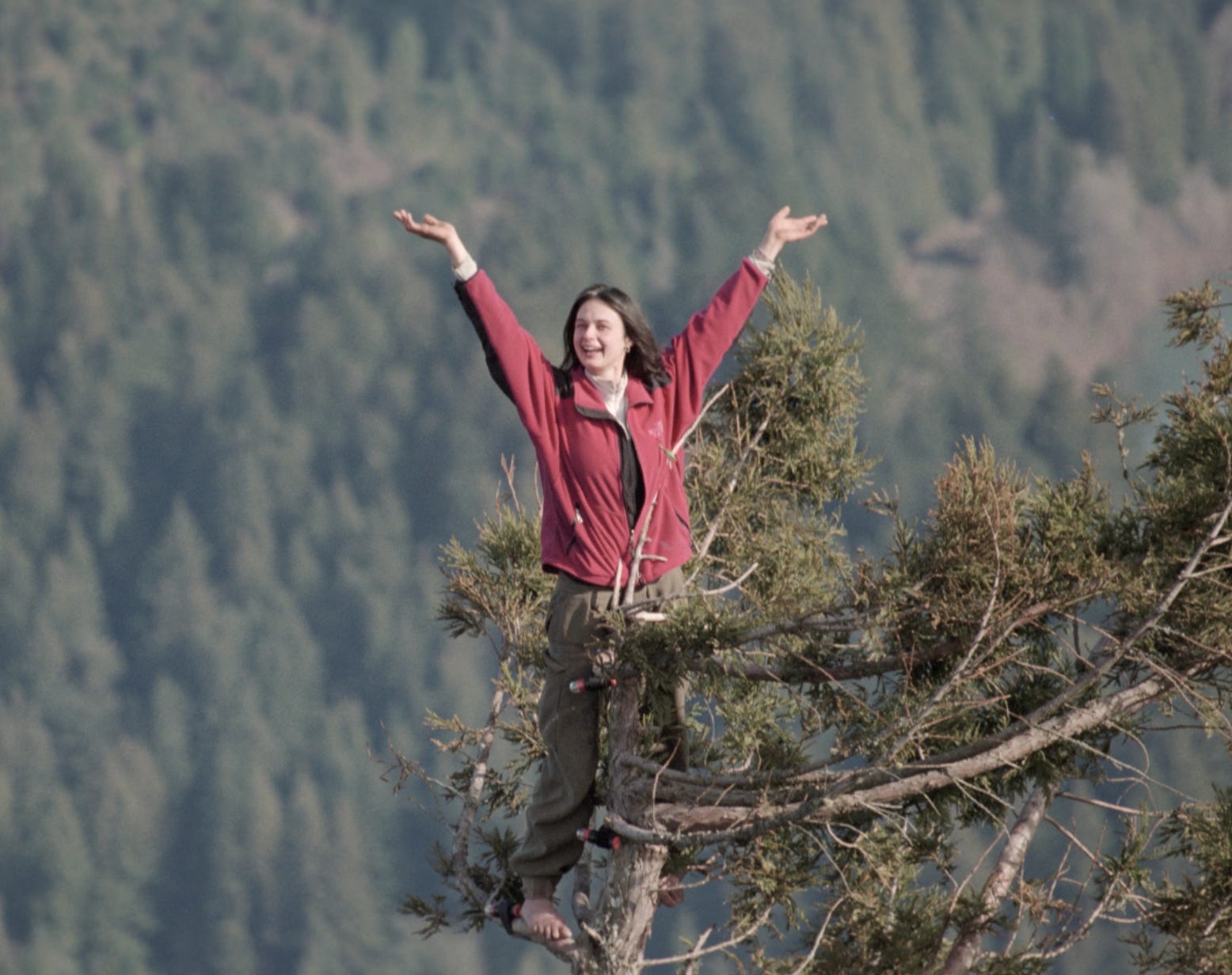
Like so many of battles pitting regular citizens against obscenely wealthy corporations, it’s not a fair fight. But my recent rereading “The Legacy of Luna” by Julia Butterfly Hill gave me some hope. Hill’s “The Legacy of Luna” is a true tale about her living in the top of an ancient California redwood tree for 738 days from 1997 to 1999. She was 23 when she first climbed to the top.

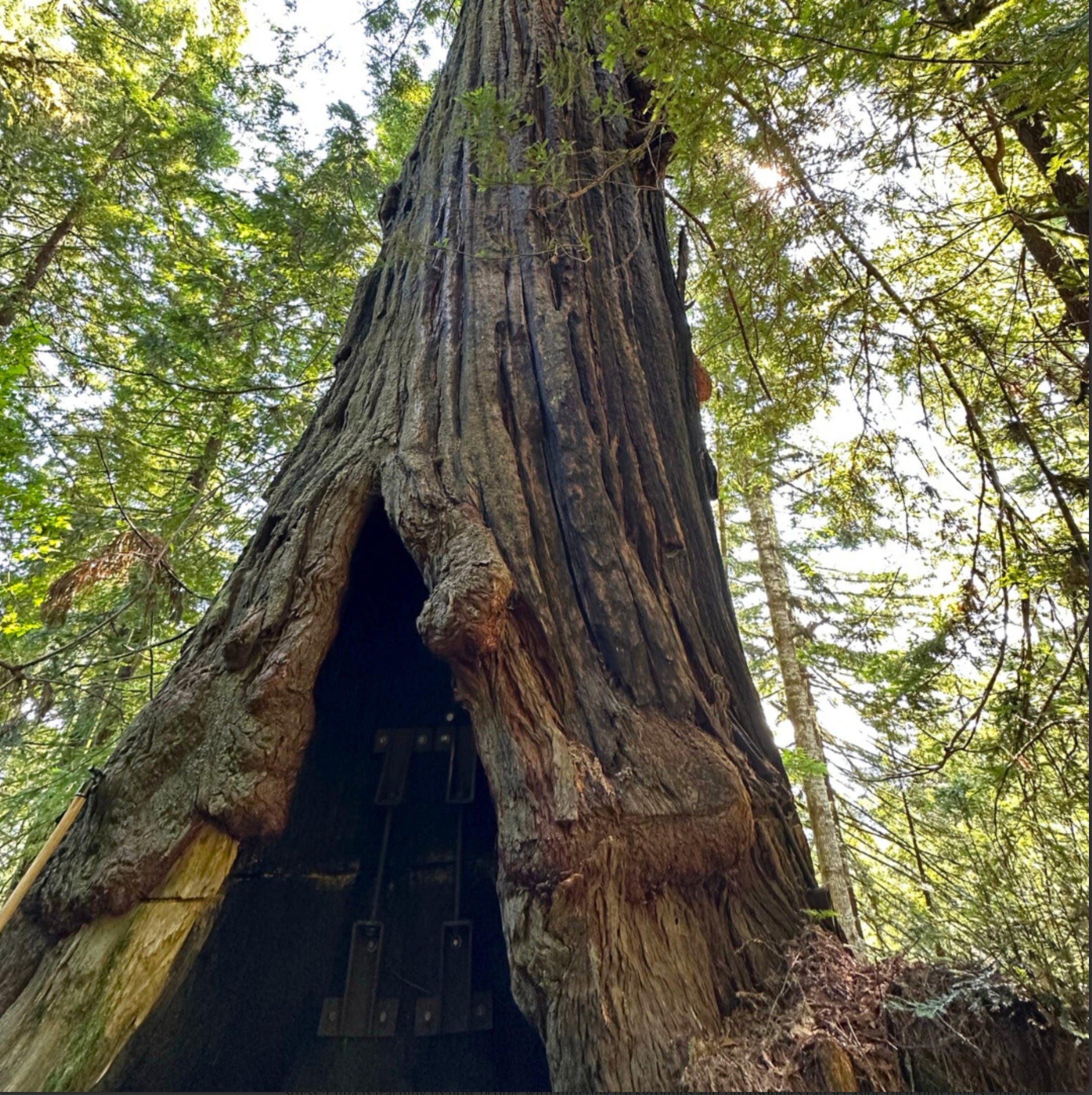
Her goals were grab the public’s attention about Pacific Lumber’s voracious and environmentally dubious clear-cutting of old-growth redwood trees and to save the majestic tree she was tree-sitting in, named Luna. Her presence in the tree top prevented the company from toppling the massive, 180-foot tall redwood. But it was not an easy place to live or to defend from the chainsaws below.
It’s an very intriguing, very readable book, a paean to nature and spirituality. It’s also a testament to the bravery of Hill as well as her environmental and political compatriots. It shows what courageous, dedicated activists can do even when fighting rough-cut foes, in this case sometimes who menaced the tree-sitters and activists with whirring chainsaws. In the end, Hill was able to get Pacific Lumber to protect the tree and a put a buffer zone around it before she agreed to climb down to the earth. The protection didn’t last long before vandals - or Pacific Lumber goons - did some damage to Luna with deep chainsaw cuts. But the point had been made.
What does this have to do with the current fight against the proliferation of data centers? Nothing and maybe everything.
In a note to my editor at Barn Raiser Media a few weeks ago, I reported that the RF danger posed by a proposed cell tower project on Sauvie Island near Portland, Oregon is probably relatively slight. Slight unless someone climbed the tower and stayed put for an extended time, a la Julia Butterfly Hill. Upon reflection, I realized that as a protest tactic, a tower-sitting could halt use of the cell tower and it’s many high-powered, RF radiation-emanating gizmos. It’s not a perfect idea, but it certainly would throw a bigger cog in the wheels of the operation than standing at the base of a completed 150-foot cell tower, waving signs and chanting. Of course, the best thing would be to keep the cell tower from being built at all.
Ditto for these data centers. Once a data center is built and/or put into operation, it’s pretty much game over to get them shut down. If that means pulling out everything in the activist-action bag of tricks, so be it. That’s the lesson to take from Hill and the many others who risked a lot as they sat high in tree tops.
By the way, 1,000-year-old Luna the Redwood still stands, now permanently protected in a non-profit land trust and mostly healed from the vandalism from more than 20 years ago.