
A plot for a great movie
A 12-year-old U.S. soldier in WWI

I got to know Colonel Ernest Wrentmore too early in my journalism/media career to understand what a great story he and his exploits in World War I represented. Wrentmore was 2 months shy of his 13th birthday when he lied his way into the U.S. Army to go fight in Europe. He became a messenger between military units, running through battlefields carrying twin .45 caliber pistols at the ready to defend himself.
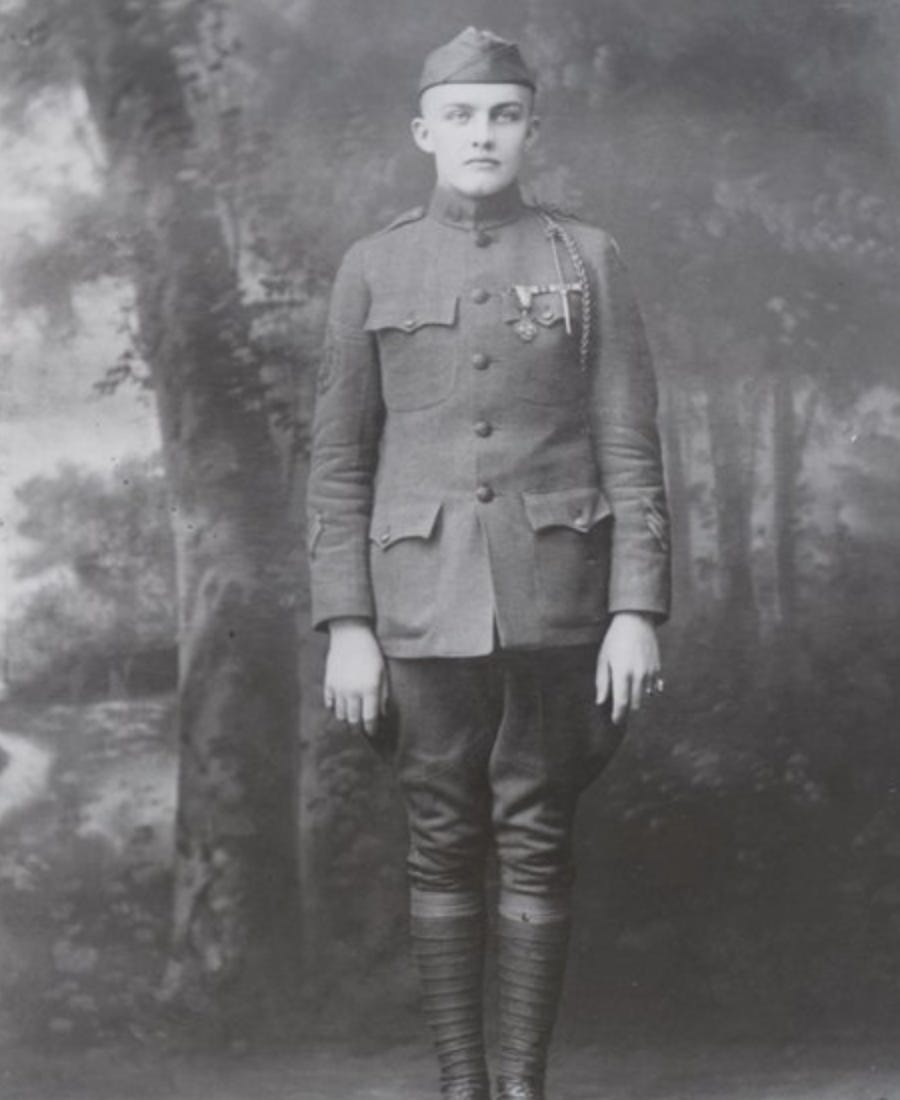
My Finger Lakes Times column published Friday, details out pieces of his military career, adventures, and a final battle for recognition of his service to the nation. The full column is printed at the end of this screed.
Over the years after I interviewed him, I often have thought his story would make an amazing film. Here’s a real American hero, diving into a hellhole at an age today we would consider a child. In later years he had a longish, distinguished military career right into through Korean War. Had he not aged out, he might have ended up in the Mekong Delta in the Vietnam conflict instead of retired in Grass Valley.
A newspaper colleague and a neighbor of the colonel told me she thought she had spotted him one morning scooping dog dropping up from his carefully tended front lawn, flinging it angrily at a passing car - a car likely driven by the owner of the dog that fouled his yard. That image has stuck with me, imagining it as the opening scene of a feature movie, then flashing back to his shooting a German sniper out of tree. If his aim was as accurate wielding a shovel as with his WWI pistols, he likely hit his mark.
While that opening image is striking and comedic, I imagine the balance of any movie as a dramatic film celebrating Wrentmore’s entire life and his youthful bravery. A real American hero.
Below is Write On from the May 29 2026 Finger Lakes Times:
Meet the youngest hero of WWI
By Michael J. Fitzgerald
Memorial Day celebrations remind me of when I met a true American war hero, the youngest U.S. soldier to serve in World War I.
Ernest Wrentmore was 12 years and 10 months old when he ran away from his Ohio home, enlisted in the U.S. Army and went to serve on the Western Front in France. In his 1958 autobiography, “In Spite of Hell,” he explains how he tricked Army recruiters, enlisting under the name Henry Monroe and claiming to be 18. He was 5 feet, 6 inches tall and weighed 145 pounds.
Private Wrentmore acted as a courier, running messages through trenches and across battlefields with bullets flying.
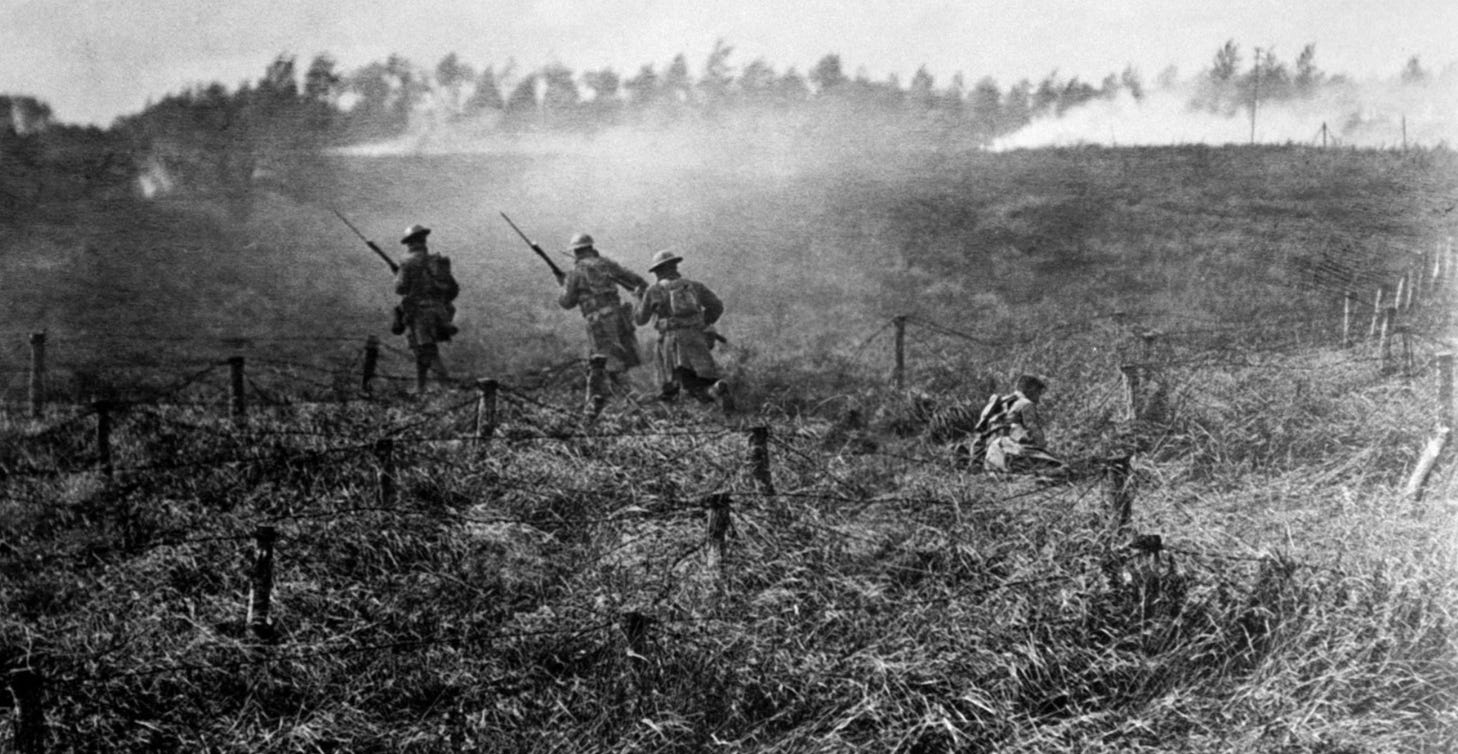
In one fateful sprint, his gas mask was shot off. But he continued to thread his way across the poison-gas clouded battlefield, delivering a message that allowed U.S. soldiers to advance. Shortly after that, he was wounded by shrapnel as he lay waiting on a medic’s stretcher. He had been overcome by the exposure to the gas.
One of the medics taking him for treatment died in the exchange.
I first met Wrentmore - a retired colonel by then - in the early 1980s at his Grass Valley-area home. I marveled how he could spin tales fully and endlessly. His recollections covered years in World War II as an intelligence officer with the U.S. Army Air Forces and Air Force reserve. He also served as a pilot in World War II and the Korean War.
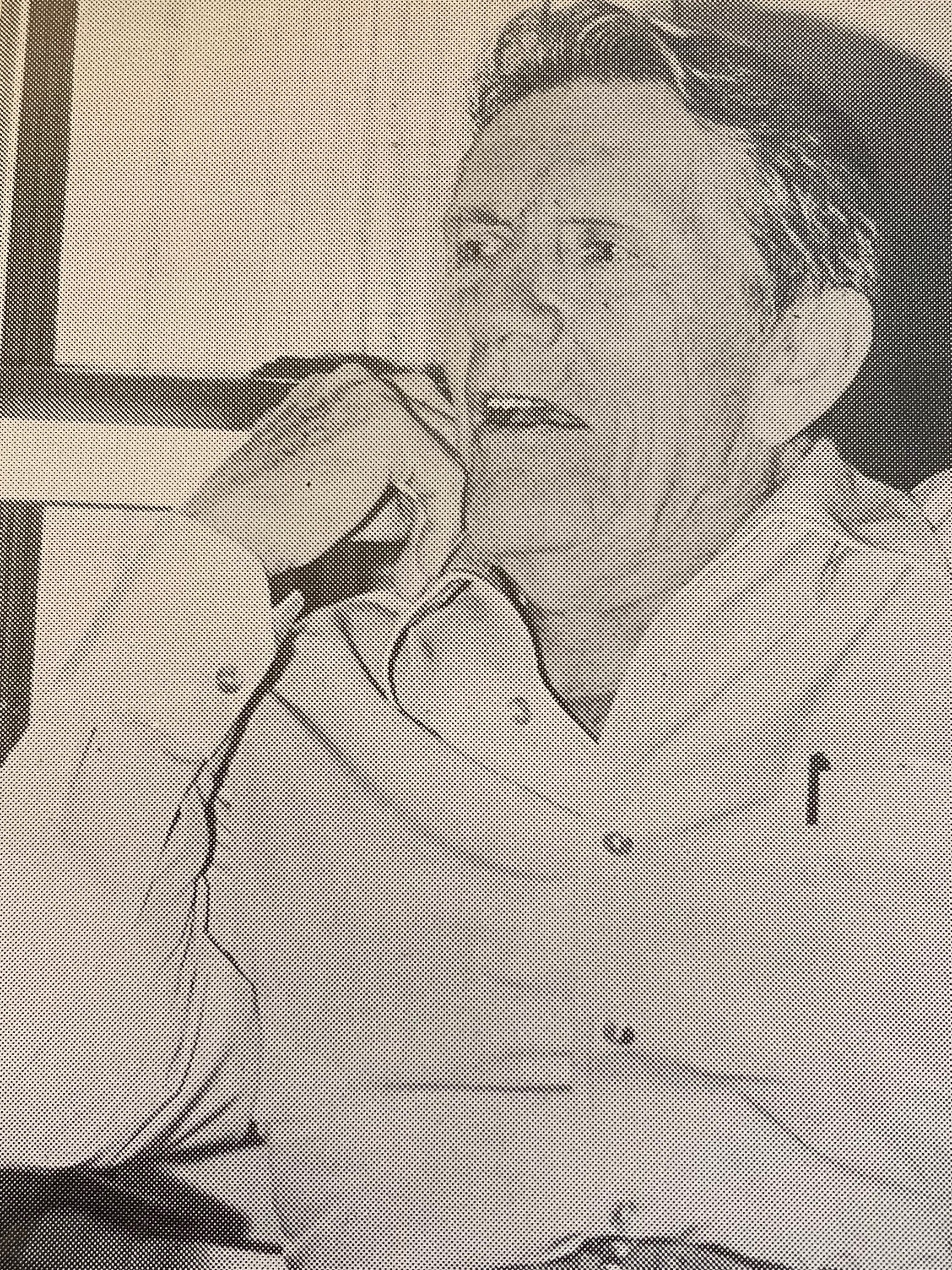
But mostly he talked about his youthful, mad-dash runs through fields and forests of the Meuse-Argonne region, toting message satchels and two .45 caliber pistols to defend himself. His description of shooting a German sniper out of a tree - moments before the sniper could shoot him - would make a great movie scene.
At the time our chat, a U.S. Congressman was trying to get a bill through the House to award Col. Wrentmore the Congressional Medal of Honor. Both Congressman Gene Chappie and Wrentmore thought if the local daily newspaper where I worked gave some ink to efforts to get the medal, it might boost his chances in Washington, D.C. I did a little better than that. Besides getting his tale published in my newspaper, I wrote it up for the daily “San Francisco Examiner” and the nationally syndicated Newspaper Enterprise Association.
But it was tough political sledding.
Although Wrentmore’s commanding officer recommended him for the Congressional Medal of Honor and Distinguished Service Cross immediately at the end of WWI, records were lost or swallowed up in the military bureaucracy.
While his young age and being wounded several times in battle might seem enough to qualify him for the honor, separate measures by two Congressman (Chappie and Rep. Norm Shumway) never made it through.
When we met at his home, he was rewriting parts of his book to include attempts to get the Medal of Honor, retitling it, “Glory, The Hell With It All.” In a letter to me, he described a new approach of focusing on his war exploits with less focus on his youthfulness. He sounded as determined at 78 as he likely had been as a teenager in Europe.
“I plan to add a sizable and sour opinion of politicians as a whole,” he wrote.
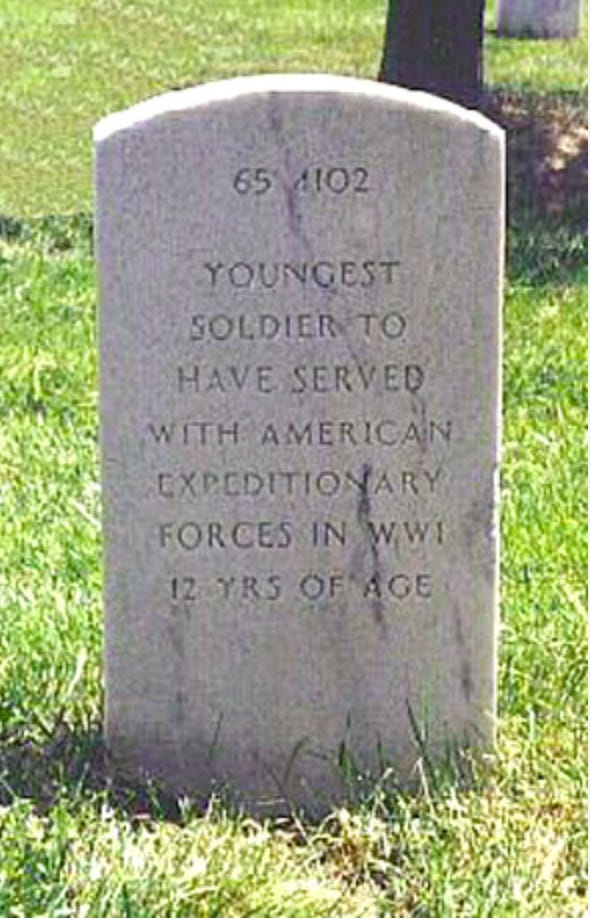
But Col. Ernest Wrentmore died in late 1983, reportedly from complications related to his chemical gas exposure in 1918. He is buried in Arlington National Cemetery where the back of his headstone reads: “Youngest soldier to have served with American Expeditionary Forces in WW1. 12 Years of Age.”
A draft copy of “In Spite of Hell” sits on my office bookshelf, complete with marks for changes by the author.
Fitzgerald has worked at six newspapers as a writer and editor as well as a correspondent for two news services. He splits his time between Valois, N.Y., and the Pacific Northwest. You can email him at Michael.Fitzgeraldfltcolumnist@gmail.com and visit his websites at michaeljfitzgerald.blogspot.com and michaeljfitzgerald.substack.com